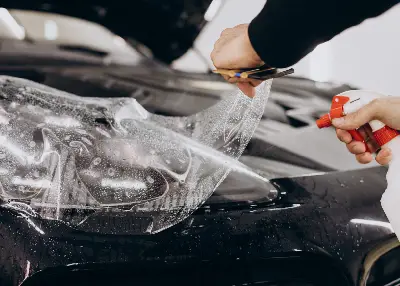
Is Paint Protection Film Worth It?
Keeping your car’s paint in excellent condition becomes more difficult with every kilometre you drive. Small stones, harsh sunlight and environmental contaminants gradually wear down the finish. Fixing paint damage later usually costs far more than preventing it in the first place.
This is why paint protection film has become a popular option for protecting modern cars. It creates a transparent barrier over painted surfaces and absorbs everyday impacts before they reach the original paint.
So, is paint protection film worth it? If protecting your car from avoidable paint damage matters more than paying for future repairs, the answer is generally yes. The long-term savings and improved appearance often outweigh the initial installation cost.
What Is Paint Protection Film?
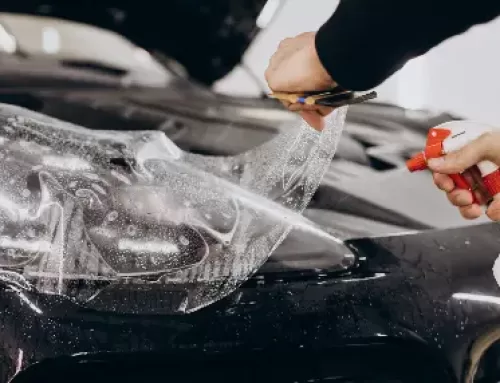
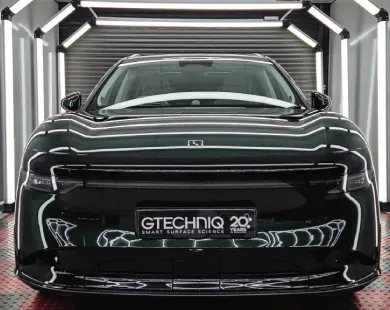
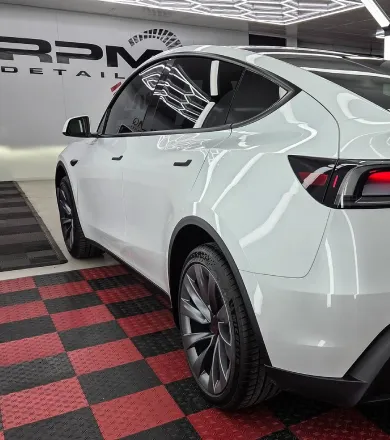
Paint Protection Film (PPF) is a clear polyurethane film installed over painted panels to reduce surface damage.
Unlike waxes and sealants that mainly improve shine, car PPF provides physical protection. It acts as a sacrificial layer that absorbs minor impacts, helping preserve the factory paint underneath.
The film is commonly installed on high-impact areas such as:
Front bumper
Bonnet
Front guards
Side mirrors
Headlights
Door edges
Door handle cups
Rear wheel arches
Some owners choose full vehicle coverage, while others protect only the areas most likely to suffer stone chips.
How Does Paint Protection Film Actually Work?
Think of the film as an invisible shield.
When small stones, sand or road debris strike the surface, the impact is absorbed by the film instead of the paint.
Premium paint protection film includes a flexible self-healing top layer. When exposed to sunlight or warm water, light scratches can gradually disappear through a self-healing process.
This means the paint underneath remains untouched while the film takes the wear.
What Damage Can Paint Protection Film Prevent?
No product can stop every type of damage, but paint protection film significantly reduces common paint problems.
It helps protect against:
Stone chips
Light scratches
Swirl marks
Road debris
Bug splatter
Bird droppings
Tree sap
UV fading
Water spot staining
Minor scuff marks
It will not prevent dents caused by heavy impacts or collisions, but it greatly reduces everyday paint damage.
When Is Paint Protection Film Worth the Investment?
The value depends on how the car is used rather than its price.
PPF is often worthwhile if you:
Drive long distances each week.
Frequently travel on highways.
Want to maintain factory paint.
Plan to keep the vehicle for several years.
Own a newly purchased vehicle.
Want stronger resale appeal.
Prefer preventing damage instead of repairing it later.
Installing protection early usually delivers better value because the original paint remains in excellent condition.
Paint Protection Film vs Paying for Paint Repairs
One stone chip may not seem like a problem.
Over time, dozens of chips across the bonnet and bumper create noticeable paint damage.
Repairing these areas often requires:
- Sanding
- Colour matching
- Repainting
- Clear coat application
These repairs can cost hundreds or even thousands of dollars depending on the affected panels.
By comparison, Car PPF helps minimise repeated paint corrections over the life of the car.
Instead of repairing damaged paint every few years, the protective film absorbs much of the daily wear.
Does Paint Protection Film Increase Resale Value?
A car with original paint in excellent condition generally attracts stronger buyer interest.
Potential buyers often inspect:
- Stone chips
- Paint consistency
- Scratches
- Clear coat condition
Paint that has remained protected usually presents better than paint requiring multiple repairs.
While paint protection film does not guarantee a higher selling price, maintaining the original finish can improve buyer confidence during resale.
Which Parts of a Car Should Have PPF?
Not every panel experiences the same level of impact.
The highest-risk areas include:
| Vehicle Area | Reason |
|---|---|
| Front bumper | Direct impact from road debris |
| Bonnet | Constant exposure to stones |
| Front guards | Tyre-thrown debris |
| Mirrors | Highway impact |
| Door edges | Protection from accidental contact |
| Rear wheel arches | Gravel and dirt thrown from tyres |
Protecting these panels often delivers the best balance between coverage and cost.
Signs Your Car Needs Paint Protection Film
The best time to install paint protection film is before the paint shows signs of wear or damage. If you regularly notice small stone chips on the front bumper, tiny scratches after washing, bug residue that is difficult to remove or fading caused by constant sun exposure, applying paint protection film sooner rather than later can help preserve the original finish before repairs become necessary.
How Long Does Paint Protection Film Last?
High-quality films typically last between 7 and 10 years.
The lifespan depends on factors such as:
- Film quality
- Installation quality
- Driving conditions
- Washing methods
- Outdoor exposure
Routine maintenance helps maximise durability.
Unlike wax, which wears off over time, paint protection film remains in place and protects the paint for years.
Does Paint Protection Film Require Maintenance?
Yes, but maintenance is straightforward.
To keep the film performing well:
- Wash the vehicle regularly.
- Use pH-neutral shampoo.
- Remove bird droppings quickly.
- Avoid abrasive polishing compounds.
- Dry with a clean microfibre towel.
- Avoid automatic brushes that may scratch the surface.
Keeping contaminants off the film helps maintain clarity and appearance.
Can Paint Protection Film Be Removed?
Yes.
Modern paint protection film is designed to be removable without damaging factory paint when correctly installed and removed.
This allows owners to replace older film after several years while keeping the paint underneath in excellent condition.
Does PPF Turn Yellow Over Time?
Older generations of protective films sometimes developed yellowing after years of UV exposure.
Modern premium films are manufactured with UV-resistant technology that significantly reduces discolouration and helps maintain optical clarity throughout their service life.
Common Myths About Paint Protection Film
Myth 1: PPF Changes the Colour of the Car
Quality film is almost invisible once installed. It protects the paint without changing its original colour.
Myth 3: Paint Protection Film Stops All Damage
PPF reduces many forms of paint damage, but it cannot prevent dents from major impacts or accidents.
Myth 2: Paint Protection Film Is Only for Luxury Cars
Any car can benefit from paint protection.
Daily commuting, highway driving and outdoor parking expose every car to the same environmental hazards.
Myth 4: You Never Need to Wash a Car with PPF
Dust, mud, road grime and contaminants still build up on the surface.
Regular washing keeps the film looking clear and performing properly.
What Should You Look for Before Choosing Car PPF?
Not every film offers the same level of durability.
Before making a decision, compare:
Film warranty
Thickness
Self-healing capability
UV resistance
Stain resistance
Optical clarity
Installation quality
Choosing a quality product usually delivers better long-term performance than focusing only on the lowest price.
Is Full Car PPF Better Than Partial Coverage?
The answer depends on your budget and driving habits.
Partial Coverage
Usually includes:
- Front bumper
- Partial bonnet
- Front guards
- Mirrors
Suitable when protecting the highest-impact areas is the priority.
Full Front Package
Typically covers:
- Full bonnet
- Full bumper
- Front guards
- Mirrors
This option provides more complete protection where damage occurs most often.
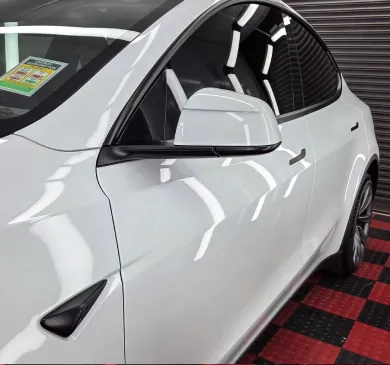
Full Car Coverage
Protects nearly every painted surface.
This option suits anyone planning to keep the car for many years or wanting maximum paint preservation.
What Factors Affect the Cost of Paint Protection Film?
There isn’t a single fixed price because several factors influence the total cost.
These include:
- Car size
- Number of panels covered
- Film brand
- Surface preparation
- Existing paint condition
- Installation complexity
A full-size SUV generally costs more than a small hatchback because it requires more material and installation time.
Can Paint Protection Film Save Money Over Time?
It can.
Without protection, repeated paint repairs may become necessary after years of exposure to stone chips, scratches and road debris.
Protecting vulnerable panels early helps reduce the likelihood of:
- Paint correction
- Spot repairs
- Panel repainting
- Colour matching
- Clear coat restoration
For cars kept over the long term, avoiding even one major paint repair can offset a significant portion of the installation cost.
Is Paint Protection Film Worth It for a New Car?
Yes.
New paint is in its best condition immediately after purchase.
Applying Car PPF before damage occurs helps preserve that original finish from the beginning.
Waiting until stone chips or scratches appear means the paint must often be corrected before the film can be installed.
Protecting clean, undamaged paint usually delivers the best result.
Is Paint Protection Film Worth It for an Older Car?
Yes, provided the paint is still in good condition.
If the surface has swirl marks, scratches or oxidation, paint correction is often recommended before installing the film.
This creates a cleaner finish and allows the film to bond properly.
Conclusion
Paint Protection Film is designed to prevent damage rather than repair it. It protects the original paint from stone chips, scratches, UV exposure and everyday road hazards while helping maintain the vehicle’s appearance for years.
If your goal is to reduce future paint repairs and keep the finish in excellent condition, Car PPF is a worthwhile investment.
RPM Detailing helps customers in Melbourne choose the right Paint Protection Film package for their vehicle, ensuring lasting protection and a high-quality finish.
FAQs
Yes. Wax mainly improves shine and offers short-term surface protection. Paint Protection Film provides physical protection against stone chips, scratches and road debris.
Yes. It can be installed on hatchbacks, sedans, SUVs, utes, performance cars and electric cars.
No. Properly installed film protects the factory paint underneath and can usually be removed without causing damage.
Yes. Hand washing with a pH-neutral shampoo is recommended to keep the film clean and maintain its appearance.
As early as possible. Installing it before everyday driving begins helps minimise the risk of stone chips and surface damage.
Yes. PPF installation is widely available for a broad range of vehicle makes and models across Australia.