How to Protect Your Car Paint from Scratches and Stone Chips
Your car’s paint serves a purpose beyond improving appearance. It acts as the first line of defence against rust, corrosion, and long-term damage. But driving exposes it to road debris, dust, harsh weather, and even improper washing. Over time, these scratches and stone chips, no matter how small, can build up, dulling your car’s shine and reducing its value.
Understanding how to protect your car paint from scratches and stone chips is important if you wish to keep your car in good condition. With the right approach, you can reduce damage and preserve a clean, well-kept finish for longer.

Simple Ways to Protect Your Car Paint from Daily Damage
Your car’s paint faces constant exposure to dust, road debris, sunlight, and environmental contaminants. Over time, these elements can cause scratches, fading, and surface damage. By following simple auto care and protection methods, you can reduce these risks and keep your car looking well-maintained for longer.
Why Scratches and Stone Chips Happen
Small stones, gravel, and debris often get thrown up by other vehicles. These hit your car with great force, especially when driving at higher speeds. As a result, scratches and chips are a very common occurrence, especially on busy roads.
Washing your car the wrong way can also cause fine scratches. Using dirty cloths, harsh brushes, or improper techniques creates swirl marks on the surface. Additionally, environmental factors such as tree sap, bird droppings, and strong sunlight also dull the paint job over time.
If left untreated, these small issues can lead to bigger problems. Paint damage exposes the underlying layer, increasing the risk of rust and structural wear.
Wash Your Car the Right Way
Proper washing is one of the simplest ways to prevent scratches. Always use a clean microfibre cloth or wash mitt. You should also avoid using old sponges or rough materials, as they can trap debris and drag it across the paint.
Rinse your car before washing to remove loose debris. This step reduces the chance of rubbing particles into the surface. Use a pH-neutral car shampoo and wash in straight lines rather than circular motions. Then, dry the car with a soft towel to prevent water spots.
Good washing habits help reduce swirl marks and keep the paint looking smooth.
Avoid Driving Too Close to Other Vehicles
Driving habits play a big role in paint protection as well. When you follow other vehicles too closely, especially trucks, you increase the risk of stone chips. The loose debris from tyres can easily hit your car’s front end.
Maintaining a safe distance gives you more time to react and reduces direct impact. This is especially important on highways and construction zones where loose gravel is common.

Protect High-impact Areas
Some parts of your car are more exposed than others. The front bumper, bonnet, side mirrors, and lower doors often take the most damage as these areas are constantly hit by debris while driving.
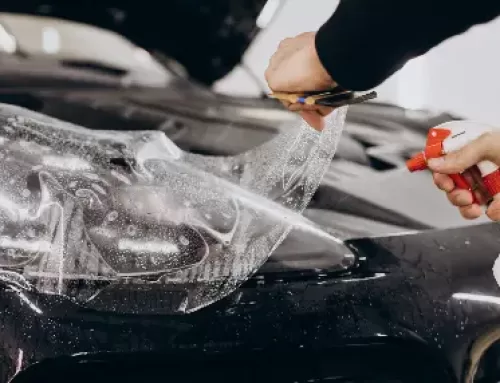
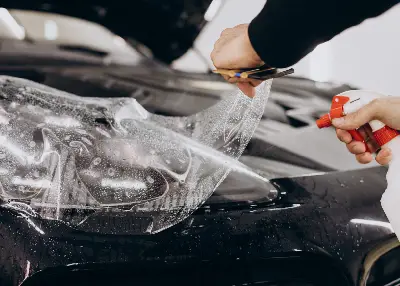
Adding an extra layer of protection to these sections can reduce damage. Paint protection film is commonly used for this purpose. It creates a clear, durable layer that absorbs minor impacts and protects the paint underneath. By focusing on high-risk areas, you can prevent visible damage and keep your car looking newer for a long time.
Park Smart to Reduce Damage
Where you park your car matters a lot. Parking under trees may seem convenient, but it exposes your car to bird droppings and tree sap. These substances can damage the paintwork if left on for too long.
So, whenever possible, park in your garage or a designated parking spot that’s shaded. This protects your car from UV exposure, which can fade and weaken the paint over time. If covered parking is not available, using a car cover is recommended for added protection.
Apply Protective Coatings
Protective coatings can add another layer of defence. Products like wax and sealants create a barrier against dirt and contaminants. They also make cleaning easier by preventing particles from sticking to the surface.
For stronger and longer-lasting protection, many car owners consider paint protection film. It offers better resistance against stone chips and scratches compared to basic coatings. The coat also keeps the original finish intact without the need for frequent polishing.
Clean Contaminants Quickly
Bird droppings, bug splatter, and tree sap can damage your car’s paint if not removed quickly. These contaminants contain chemicals that can stain or etch into the surface. Hence, it is important to clean them as soon as possible using a gentle cleaning solution.
Using a soft cloth and a proper cleaner will help remove the residue safely. You should avoid scrubbing aggressively, as this can create scratches. Remember, regular cleaning prevents long-term damage and keeps your paint in better condition.
Drive Carefully on Rough Roads
Unpaved roads and construction areas are common sources of stone chips. The loose gravel found in these areas increases the chances of debris hitting your car. When driving in these conditions, reduce your speed and stay alert. Slower speeds reduce the force of impact and lower the risk of damage. Taking extra care in such environments can make a noticeable difference over time.
Maintain Your Car Regularly
Regular maintenance helps you spot early signs of damage. You’ll want to inspect your car’s paint for chips, scratches, or dull areas. Addressing these issues early can prevent them from getting worse.
Simple steps like proper washing, safe driving, and using protective solutions all contribute to better paint care. These habits help maintain your vehicle’s appearance and condition.
Conclusion
Protecting your car from scratches and stone chips requires a combination of good habits and the right protection methods. From careful driving to proper washing, each step plays a role in maintaining its finish.
While no solution can completely prevent damage, options like paint protection film provide an added layer of defence against everyday wear. By taking a proactive approach, you can keep your ride clean, reduce repair costs, and maintain its value in case you wish to sell it later.
If you want to keep your car in top condition and maintain its shine for years, RPM Detailing is here to assist. Call us on 0400 103 866 to book a consultation or request a quote today.

FAQs
You can protect your car’s paint by washing it properly, avoiding close driving behind other vehicles, and parking in safe areas. Using paint protection film also adds a strong layer of defence against chips and scratches.
Paint protection film reduces the impact of small stones and road debris. While it cannot stop all damage types, it significantly lowers the risk of visible chips on high-impact areas like the bonnet and bumper.
Washing your car every one to two weeks will remove dirt and contaminants that can cause scratches. Always use a clean microfibre cloth and proper car shampoo to avoid swirl marks.
Scratches are often caused by improper washing, dust particles, road debris, and contact with rough surfaces. Even automatic car washes can create fine swirl marks, so it’s best to avoid them. Only go for hand washes as much as possible.
Yes, paint protection film is useful for daily drivers because it reduces damage from regular road use. It can maintain the car’s appearance and minimise the need for frequent paint correction.
Yes, prolonged exposure to sunlight can fade and weaken your car’s paint. UV rays also break down the clear coat, which reduces shine and colour depth over time.
Regular washing, safe drying methods, and avoiding harsh conditions help maintain your car’s paint. Adding paint protection film can provide extra protection against everyday wear.
Paint protection film is usually applied to high-impact areas such as the front bumper, bonnet, side mirrors, and door edges. These areas are more likely to get chips and scratches.