Top Reasons To Apply Paint Protection Film PPF

Your car can look spotless today and still pick up damage on the next trip. Stone chips, road debris, bird droppings, tree sap, UV exposure and daily wear can slowly affect painted surfaces. Even regular washing cannot remove every risk that comes with normal use. Paint Protection Film adds a transparent layer over painted areas to reduce the impact of many common surface hazards.

Think of it like a clear shield between the paint and the outside world. That layer can help reduce visible damage, simplify upkeep and support a cleaner appearance over time. But what makes PPF worth considering beyond basic paint protection? The following reasons explain how paint protection film PPF can help with everyday protection, appearance, maintenance and long-term vehicle value.
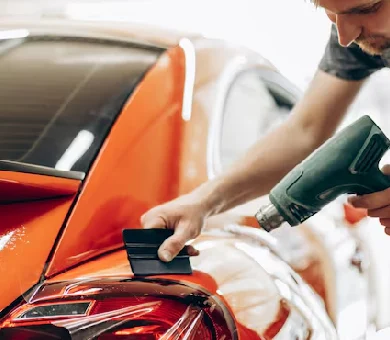
Top Reasons To Apply PPF

Our 7 Main Reasons to Apply PPF

PPF helps protect painted surfaces from common damage caused by everyday driving and environmental conditions. Here are seven key reasons to consider Paint Protection Film for your vehicle.

  • 1. Protects Against Stone Chips and Road Debris

    Highway trips can expose painted surfaces to small stones, grit and loose road debris. PPF for cars creates a physical barrier that takes much of the surface impact before it reaches the paint. This is especially useful on front bumpers, bonnet areas, guards and mirrors that face constant road exposure. Gravel roads and construction zones can increase this risk, making front-end coverage a practical option for frequent highway or mixed-road use.

  • 2. Helps Maintain Vehicle Value

    Paint condition can influence how a vehicle is viewed when it is time to sell or trade it. Paint protection film for cars can reduce visible wear on covered panels, although it does not guarantee a higher resale price. Keeping the exterior in good condition can support a stronger overall presentation during a future sale. This can be useful for vehicles that are kept for several years or receive frequent road use.

  • 3. Protects Against Scratches and Everyday Wear

    Door edges, loading areas, side skirts and other high-contact zones can pick up minor marks through everyday use. PPF car protection helps shield covered sections from light scratches, scuffs and surface rubbing. Films with self-healing topcoats may also reduce the appearance of some fine marks when heat activates the surface. These features can be useful around door cups, boot ledges and other areas that receive repeated contact.

  • 4. Reduces Damage from Environmental Contaminants

    Paint faces more than stones and scratches during normal outdoor use. Car paint protection can help resist staining and surface damage linked with bird droppings, tree sap, insects, road grime and UV exposure. Film performance varies, so removal of contaminants and routine cleaning still matter. Prompt cleaning is particularly important because some contaminants can become harder to remove when left on the surface for extended periods.

  • 5. Makes Long-Term Paint Maintenance Easier

    A protective film can make routine paint care more straightforward when it is installed and maintained correctly. PPF protection gives a separate surface that can be cleaned with suitable products and soft wash tools. Good maintenance still matters because dirt, stains and edge contamination can affect the film over time. Following the film maker’s wash recommendations can also help maintain clarity, finish and surface performance.

  • 6. Provides Durable, Long-Lasting Protection

    Quality film is designed for long-term use, but its lifespan is not identical across every product or vehicle. PPF installation quality, film type, coverage, storage conditions and ongoing care can all affect results. Some films come with long-term warranties, but warranty terms and expected service life should always be checked before installation. In Australia, the total cost also changes with vehicle size, film quality and the amount of coverage selected.

  • 7. Offers Finish and Coverage Options

    Not every vehicle needs the same amount of coverage or the same finish. Paint protection film benefits can be matched to common impact areas through options such as partial front coverage, full front coverage, track packs or broader wraps. Gloss, matte and coloured films can also change the final look, while RPM Detailing currently lists PPF packages covering areas from the bonnet and bumper to larger vehicle sections. As a Melbourne guide, PPF pricing can range from about $1,000+ for partial front coverage to $5,000–$10,000+ for premium full-vehicle coverage, depending on the vehicle and installation scope.

Final Thoughts: Protect Your Car’s Paint for Longer

Whether PPF is worth considering comes down to how the vehicle is used and how much paint protection matters to you. Paint Protection Film can reduce common damage from stones, road debris, minor scratches and some environmental contaminants. Its value also depends on film quality, coverage, installation quality and ongoing care. Consider highway use, parking conditions, ownership plans and the areas most likely to receive wear. RPM Detailing offers PPF coverage options for Melbourne vehicles, from high-impact areas to broader packages, making it easier to compare protection levels. For a suitable choice, review the film specifications, coverage and aftercare requirements before booking. Exploring professional PPF services can help you make a practical, informed decision.

Frequently Asked Questions About PPF

Paint Protection Film is a clear protective layer applied over painted vehicle surfaces. It helps reduce damage from stone chips, minor scratches, road debris and some environmental contaminants. The level of protection depends on the film, coverage, installation and ongoing care.

The lifespan of paint protection film PPF varies by film type, installation quality, climate exposure and maintenance. Some premium products come with multi-year warranties, but warranty periods differ between products. Regular washing and correct aftercare can help the film perform as intended for longer.

The front bumper, bonnet, guards and mirrors commonly receive PPF for cars because these areas face frequent road impact. Side skirts, door edges, door cups and boot ledges can also benefit from targeted coverage. The right areas depend on driving conditions, vehicle use and the level of protection required.

No, car paint protection film and ceramic coating provide different forms of surface protection. PPF is a physical film that helps absorb impacts and reduce certain scratches, while ceramic coating adds a hard surface layer with water and contamination resistance. Some vehicles use both products because they address different paint-care needs.

Yes, PPF installation is generally reversible when the film is removed correctly and the underlying paint is suitable. Removal should be carried out carefully to reduce the risk of adhesive residue or paint issues. The result can vary with film age, adhesive condition, previous paint repairs and removal technique.